Unit 2 / AOS 1 / Outcome 1
Outcome + Assessment
Annotated visual comparative report
Bring the strongest evidence from your five weeks together into one comparative report.
ObservationContextLensEvidenceComparisonInterpretation
01 /
Outcome + task
Outcome 1On completion of this unit the student should be able to use the Cultural Lens, and the other Interpretive Lenses as appropriate, to analyse and compare the practices of artists and artworks from different cultures and times.
The task
Compare artworks and artist practices from different cultures and times, using the Cultural Lens and, where they help, the Structural and Personal Lenses.
Use one artwork by each of the four artists studied in this learning sequence.
Form
Annotated visual report
Artworks
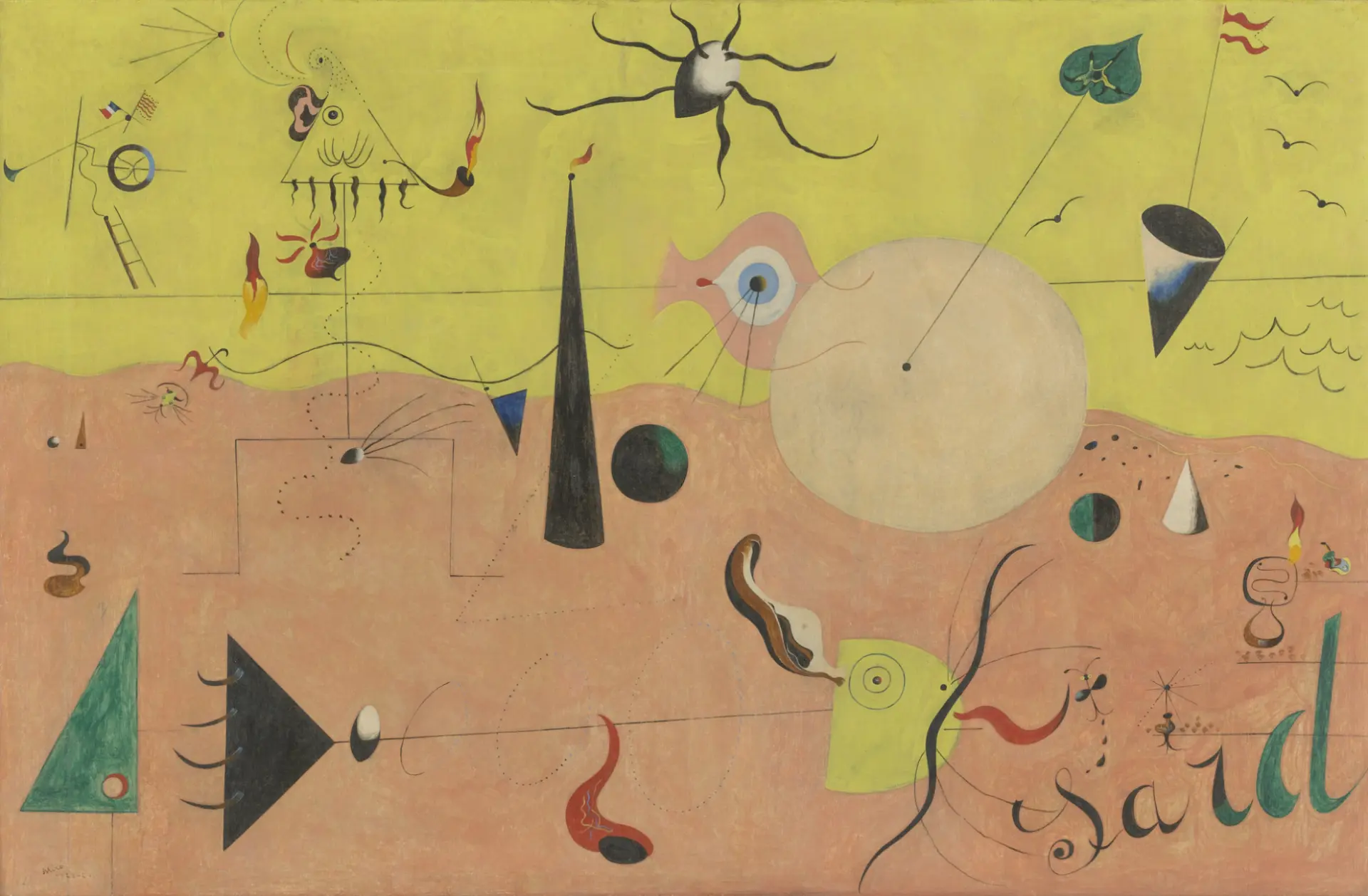 Joan MiróThe Hunter (Catalan Landscape)View artwork ↗
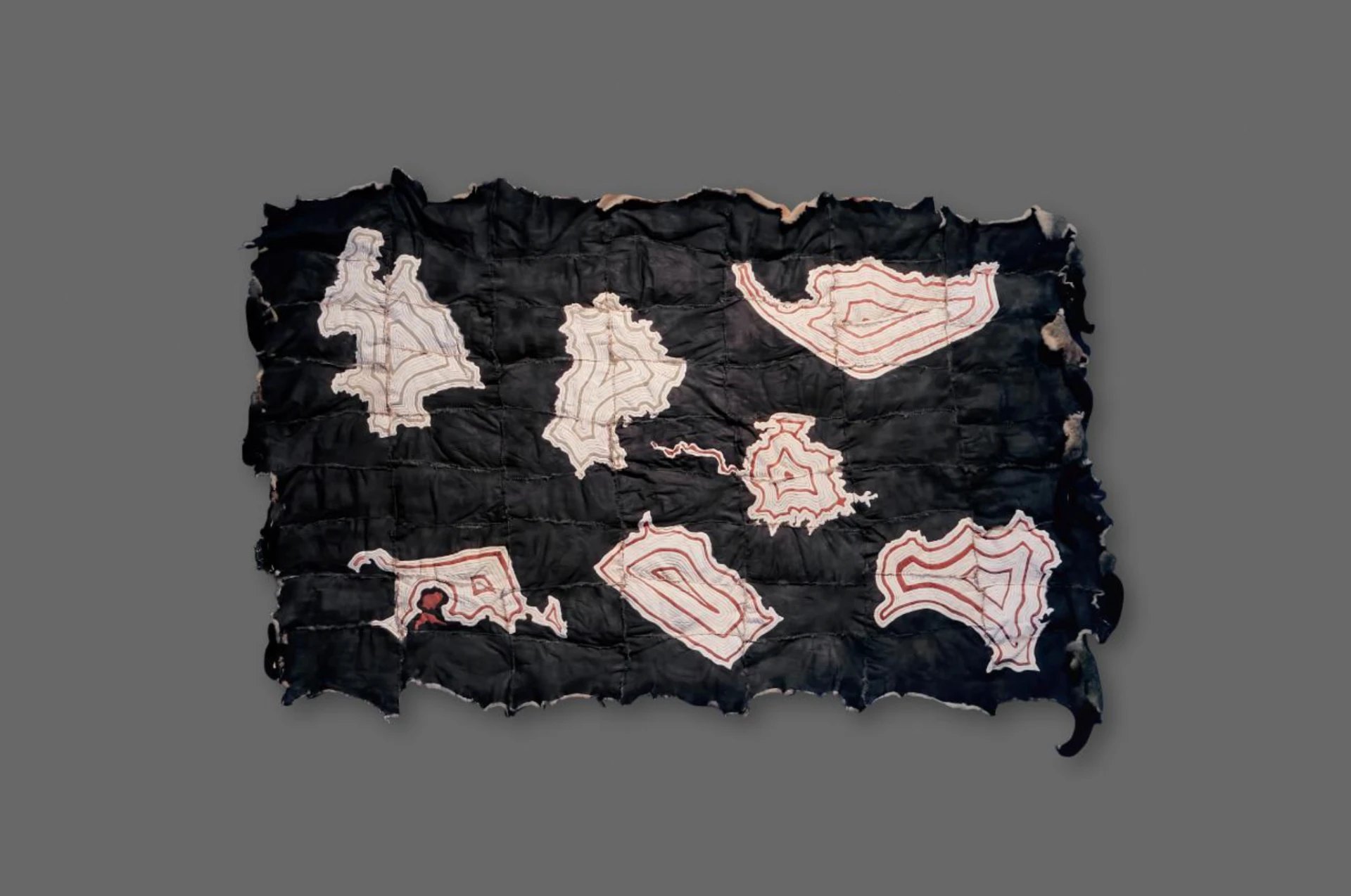 Maree ClarkeWalert – gurn barerarerungar: Tipperary, Ireland Dunstable, Britain Yorta Yorta Trawlwoolway Boonwurrung, Mutti Mutti, Wamba WambaView artwork ↗
Image not reproduced
Peter Waples-CroweColonised 3View artwork at source ↗Image not reproduced
megan evansBleeding ChandelierView artwork at source ↗
Sources
Keep each source with the information it supports.
02 /
Bring forward
From this week
- look closely before adding context
- separate observation from interpretation
- revise an interpretation when new information changes what you understand
From this week
- visual observations
- context around Miró and Montroig
- Personal / Cultural / Structural Lens thinking
- evidence of how visual language develops
- source-backed notes
Week 3 / Belonging + continuity →
From this week
- Cultural Lens interpretation
- context around Maree Clarke
- cultural continuity
- cultural authority
From this week
- comparison of different cultural positions
- collaborative practice
- artist voice
- source-backed evidence about position or representation
Week 5 / Compare + interpret →
From this week
- side-by-side artwork observations
- context comparison
- comparison of artist practices
- strongest comparative interpretation
03 /
Build your report
Give more space to the artists your comparison leans on, and choose the evidence that supports it best.
- SelectChoose the strongest evidence from your five weeks.
- PairPlace artworks, context and practice side by side.
- ConnectTie evidence, context and lens to your interpretation.
- SourceKeep the source with the information it supports.
04 /
Rubric
01
Interpret through the lenses
StrongUses the Cultural Lens and other relevant Interpretive Lenses purposefully, connecting artwork evidence, context and interpretation to develop a convincing reading.
02
Artwork + cultural context
StrongMakes precise connections between cultural and historical context, the artwork and its meaning, supported by specific visual or material evidence.
03
Artist practice
StrongExplains how methods of making, presentation, collaboration and context work together within an artist's practice and contribute to meaning.
04
Evidence + sources
StrongSelects precise artwork evidence and authoritative sources and integrates them effectively to support, test or refine interpretation.
05
Compare + interpret
StrongDevelops a sustained comparative interpretation that explains the significance of similarities and differences across artworks, contexts and artist practices, using precise evidence and art terminology.
View full rubric
01
Interpret through the lenses
Developing
Uses an Interpretive Lens to discuss an artwork, but the explanation is general or needs stronger connection to what is visible in the work.
Meeting
Uses the Cultural Lens and other relevant Interpretive Lenses to explain meaning, supported by specific evidence from the artwork.
Strong
Uses the Cultural Lens and other relevant Interpretive Lenses purposefully, connecting artwork evidence, context and interpretation to develop a convincing reading.
02
Artwork + cultural context
Developing
Identifies some information about the artist or context, but the connection between context, artwork and meaning is limited.
Meeting
Explains how cultural context, including relevant beliefs, values or traditions, relates to the artwork and its meaning.
Strong
Makes precise connections between cultural and historical context, the artwork and its meaning, supported by specific visual or material evidence.
03
Artist practice
Developing
Identifies some ways an artist makes or presents work, but analysis of the artist's decisions or practice is limited.
Meeting
Analyses how artists make and present artworks, including materials, techniques, processes and collaboration where relevant.
Strong
Explains how methods of making, presentation, collaboration and context work together within an artist's practice and contribute to meaning.
04
Evidence + sources
Developing
Uses some artwork evidence or source information, but evidence may be general, inconsistent or incompletely acknowledged.
Meeting
Supports interpretations with specific artwork evidence and relevant authoritative sources, acknowledged appropriately.
Strong
Selects precise artwork evidence and authoritative sources and integrates them effectively to support, test or refine interpretation.
05
Compare + interpret
Developing
Identifies some similarities or differences between artworks or artists, with limited explanation or use of art terminology.
Meeting
Compares artworks and artist practices from different cultural or historical contexts using specific evidence and appropriate art terminology to develop an interpretation.
Strong
Develops a sustained comparative interpretation that explains the significance of similarities and differences across artworks, contexts and artist practices, using precise evidence and art terminology.
05 /