Interpretive Lenses
The same artwork can be understood in different ways depending on what you investigate. The Interpretive Lenses help you ask different questions, find evidence and build an interpretation.
- Unit 1
- Structural + Personal
- Unit 2 / AOS 1
- Cultural + other lenses as appropriate
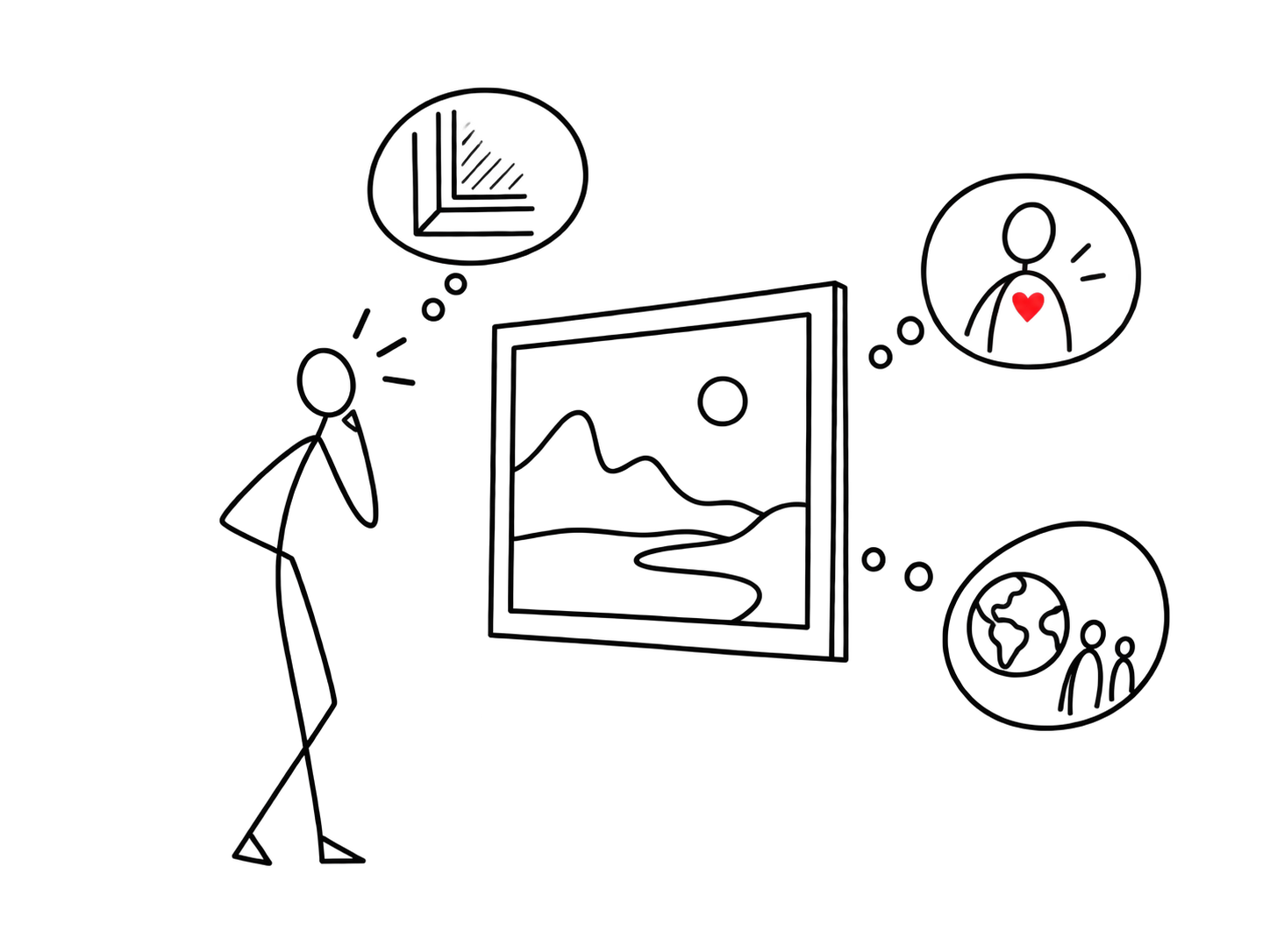
Structural
What is happening in the work?
visual language · materials · process · presentation
Personal
Whose experience shapes the work?
artist · experience · belief · viewer
Cultural
What shapes the work around and beyond the individual?
context · position · representation · cultural authority
01 / Structural Lens
What is happening in the work?
Start with the artwork itself. Look at how visual language, materials, techniques, processes, style, symbolism and presentation shape what you experience.

ArtworkVisual languageMaterial / processEffectMeaning
Look for
- art elements + principles
- materials
- techniques + processes
- style
- imagery + symbols
- presentation
Ask
- What do you notice first?
- How has the artist organised what you see?
- What do the materials or processes do?
- Where do repetition, contrast, scale, space or emphasis matter?
- How does presentation affect the way you experience the work?
Build an interpretation
Artwork evidenceEffectMeaning
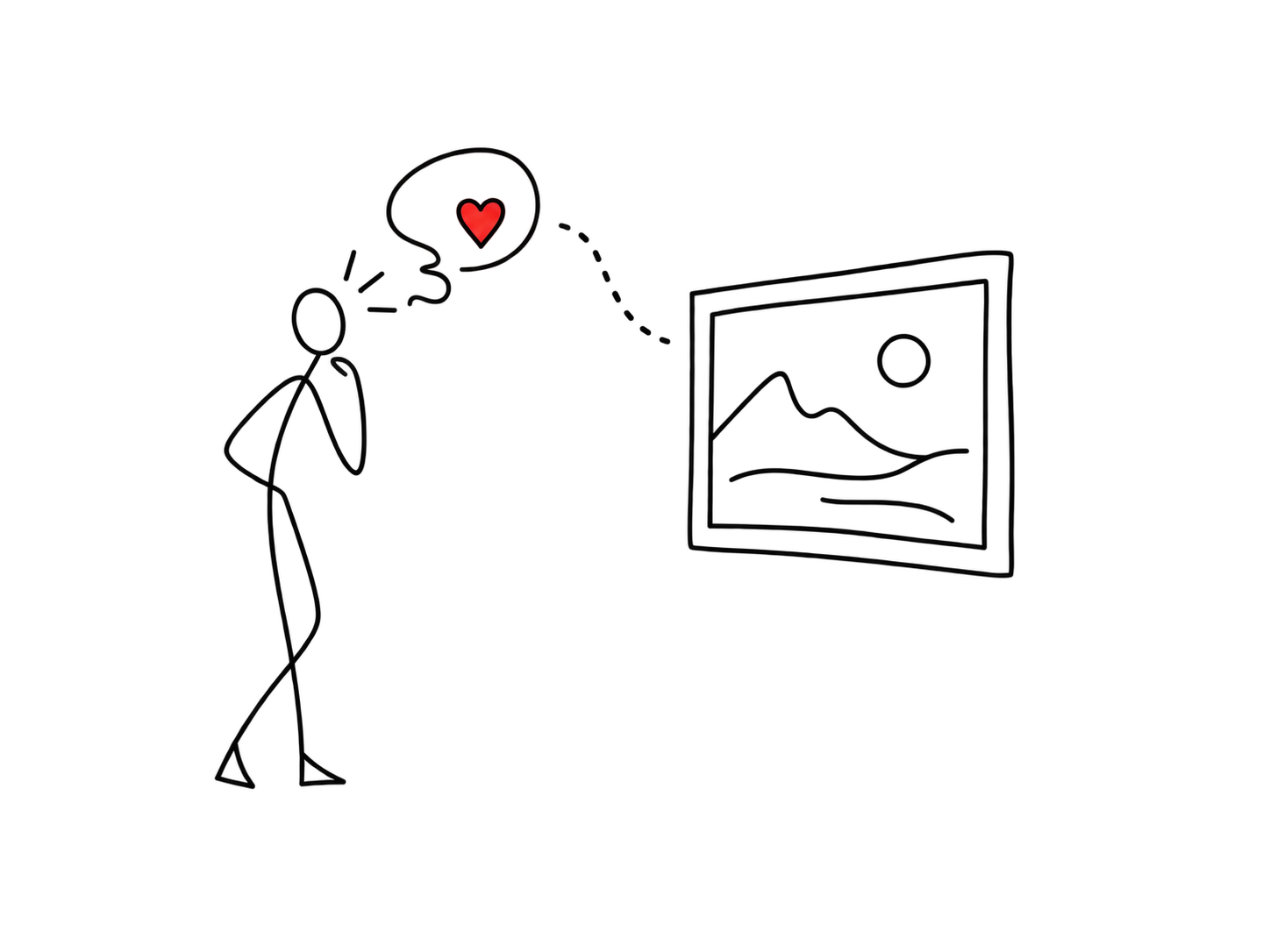
02 / Personal Lens
Whose experience shapes the work?
Consider the feelings, beliefs and life experiences of the artist, and the experiences you bring as a viewer.
Look for
- artist experience
- memories
- relationships
- beliefs
- recurring ideas or forms
- viewer / audience response
Ask
- What do we know about the artist’s experience?
- Where can you connect that knowledge to the artwork?
- Does an image, material or form recur in the artist’s practice? What might it carry for the artist?
- What are you bringing to the way you interpret the work?
Build an interpretation
ExperienceArtwork evidenceInterpretation
03 / Cultural Lens
What shapes the work around and beyond the individual?
Look at the social, historical and cultural influences and representations connected with the artist, artwork and audience. Find out what matters about the time, place and cultural position from which the work was made. Then return to the artwork.

ContextPositionRepresentationCultural authorityArtwork evidenceInterpretation
Context
What was happening around the artist and artwork?
place · time · history · social conditions · politics · beliefs · values · traditions · religion or spirituality · economic conditions
Choose the context that helps you understand this work.
Position
Who made the work? What is their relationship to the culture, place, history or experience represented? Who is the intended audience?
Representation
Who or what is being represented? How? What histories, beliefs, values or relationships affect how the work can be understood?
Cultural authority
When cultural knowledge is involved, ask whose knowledge it is and who has authority to speak about it. An authoritative artist, community, gallery or cultural source can help you understand.
For Aboriginal and Torres Strait Islander artworks, use artist, community and authoritative cultural sources to understand what can be shared, discussed or used.
Sources
Use artist voice and authoritative cultural, gallery, museum or community sources. Keep the source with the claim it supports.
Artwork evidence
Always return to the work. What do you understand differently now? Where can you see evidence that supports that interpretation?
Build an interpretation
Context + positionArtwork evidenceInterpretation
04 / The lenses overlap
Repeated mark
Structural
What is happening visually?
Personal
What might this form carry for the artist?
Cultural
What changes when place, history or cultural position are understood?
Interpretation
One lens can lead you into another. Use the lenses that help you answer the question you are asking.
05 / Your Creative Practice
Use the lenses on your own work
Structural
What are your visual and material decisions doing?
Personal
What experiences, interests or ideas are shaping the work?
Cultural
What places, histories, communities, relationships or values connect with the work? What is your position in relation to them?
LookQuestionMakeReflectReturn
Language support