13 / The Studio · Ideas
IDEAS + DEVELOPMENT
Ideas grow through looking, collecting, connecting and making.
An idea does not need to arrive finished. It might begin with something you notice, remember, question, collect or make. As you respond, one thing can lead to another.
TODAY’S FOCUS
Start somewhere. Notice what connects.
Look
WHAT HAS BEEN GATHERED HERE?
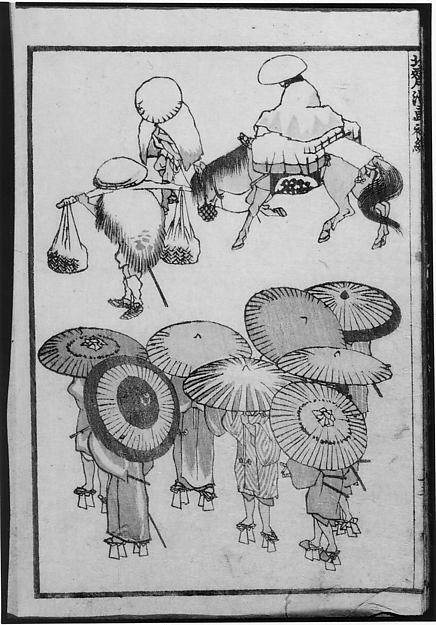
Look across the page before choosing one image.
- What seems to have caught Hokusai’s attention?
- What different kinds of things have been gathered together?
- Where do you notice repetition, variation or a change of viewpoint?
- What might one observation lead you to notice next?
This printed volume gathers many observations and studies together. They do not need to become one finished image to be useful. Something noticed in one place can become a starting point somewhere else.
Understand
IDEAS CAN BEGIN IN DIFFERENT PLACES
A starting point might be:
SOMETHING YOU NOTICE
an object, place, image, sound, movement or detail
SOMETHING YOU REMEMBER
an experience, story, feeling or association
SOMETHING YOU FIND
an image, object, material, artwork or piece of information
SOMETHING YOU QUESTION
an idea, issue, problem or possibility
SOMETHING YOU MAKE
a drawing, test, photograph, material response or accidental result
Research, looking and making can happen in different orders. A new connection can send you back to look, collect or make again. The idea develops as you respond to what you find.
Make
START WITH ONE THING
Choose one starting point.
It might be something you noticed, an image, an object, a place, a question, an experience, a material, an artist or artwork, or a problem you want to explore.
Now collect three things that connect to it. They do not need to match.
Place the starting point and the three connections together. Look for a relationship you had not noticed before.
Make one quick response that brings together, changes or extends something from at least two of them.
Then add one new thing suggested by what you just made.
Stop there. Leave it as an experiment that gives the idea somewhere to go.
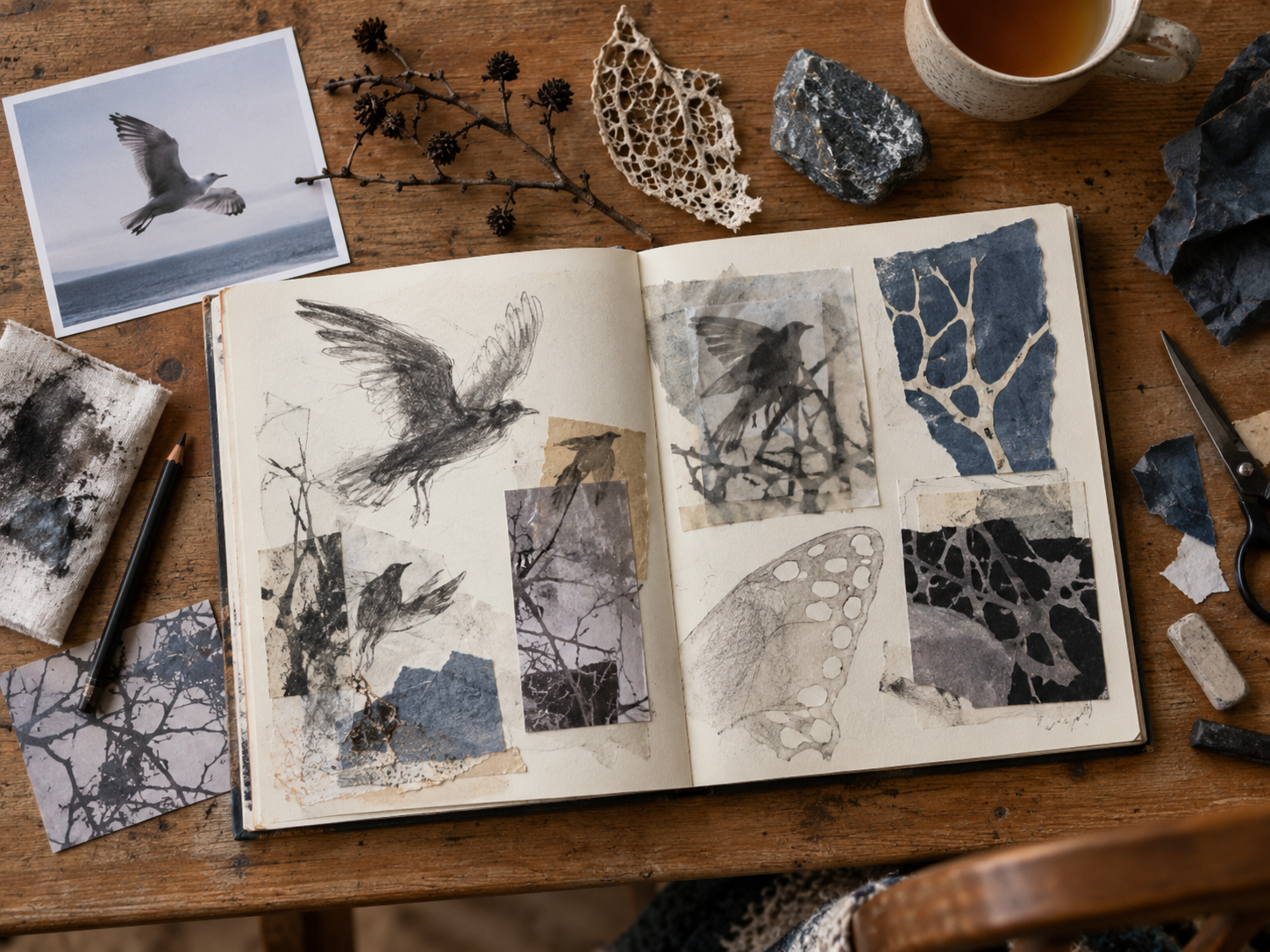
Visual material: Studio work, 2026.
Look again
Look back at where you began. What changed?
Which connection surprised you?
Did making introduce something that was not there at the start?
What new question appeared?
What would you follow next?
Keep the sources and the response together. They show how the idea began to move.
In practice
Artists and designers often move between research, observation, collecting, drawing, making and further research.
A starting point can change as new connections appear. The first idea does not need to remain intact.
What matters is noticing what the work begins to suggest.
In your practice
An idea might begin with an experience, observation, personal interest, artist or question. Research, exploration and making can change the idea as your visual language develops.
Collect ideas, images, inspirations and influences in your Visual Arts Journal. Connect them with subject matter, materials, techniques and processes as your direction develops.
Begin with the communication need and what you discover through research. Seek and analyse inspiration, then generate possibilities through words, sketches, making and prototypes.
Creative thinking
What keeps drawing your attention?
What two things could speak to each other?
What did your last response suggest next?
Tools to help you notice, describe, question, develop and document your work.
Source note
Developed through studio practice, curriculum guidance and established art and design theory. All instructional material on this page is original.
Curriculum + reading
Bowden, M., & Tooke, A. (2022). Art making and exhibiting: VCE units 1–4. Cambridge University Press & Assessment.
Greenwood, D. (2023). Art creative practice: VCE units 1–4. Cambridge University Press & Assessment.
Victorian Curriculum and Assessment Authority. (2022). VCE Art Creative Practice study design 2023–2027. vcaa.vic.edu.au ↗
Victorian Curriculum and Assessment Authority. (2022). VCE Art Making and Exhibiting study design 2023–2027. vcaa.vic.edu.au ↗
Victorian Curriculum and Assessment Authority. (2023). VCE Visual Communication Design study design 2024–2028. vcaa.vic.edu.au ↗
Artists + artworks
Hokusai, K. (after 1828). Transmitting the spirit, revealing the form of things: Hokusai sketchbooks, first volume [Denshin kaishu: Hokusai manga, shohen] [Woodblock printed book; ink and colour on paper]. The Metropolitan Museum of Art, New York, United States. Public domain. metmuseum.org ↗
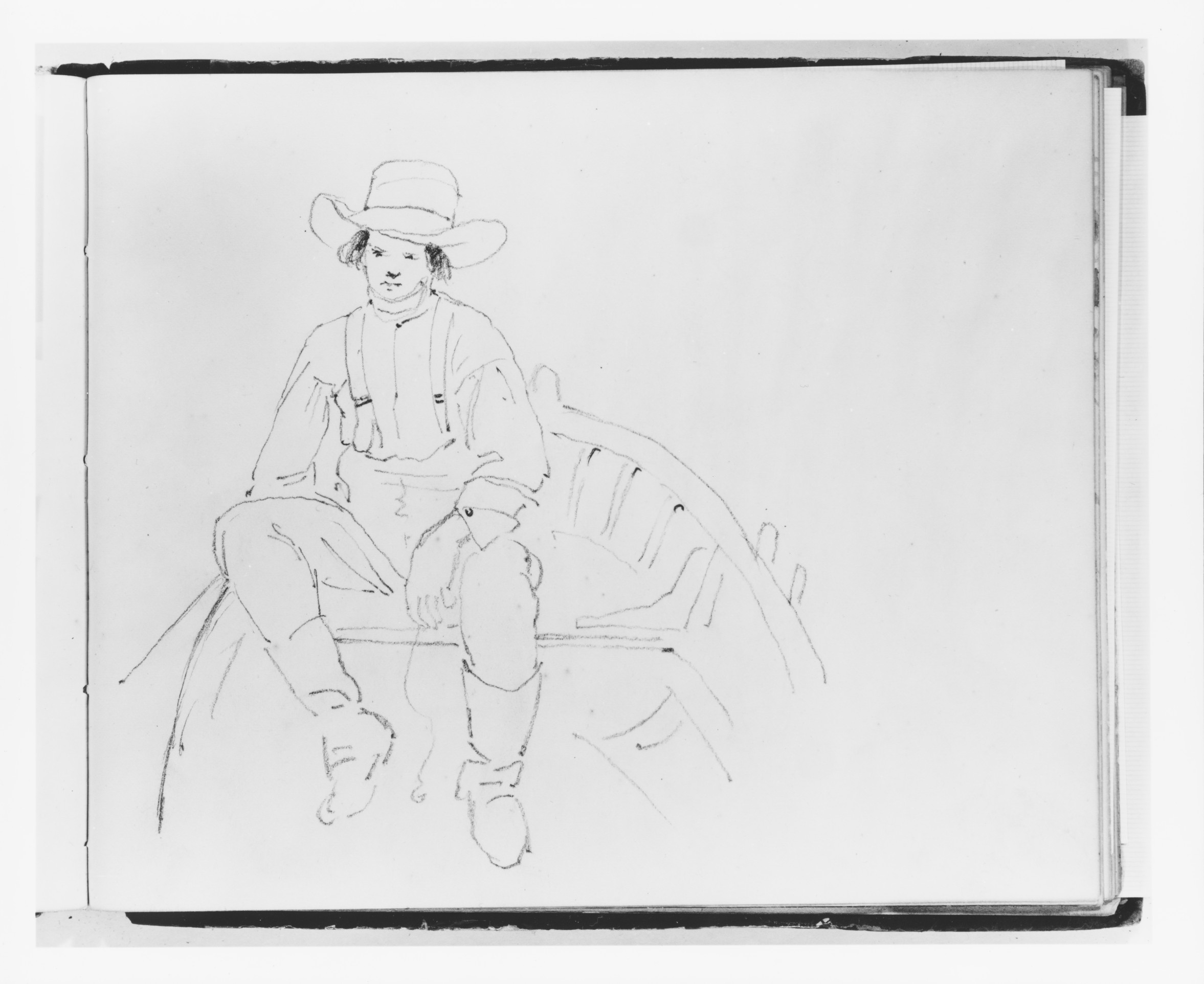
Edmonds, F. W. (ca. 1838). Man seated in a rowboat (from sketchbook). Graphite on off-white wove paper. The Metropolitan Museum of Art, New York. metmuseum.org ↗
Studio material
IDEA DEVELOPMENT.. Visual material: Studio work, 2026.