10 / The Studio · Material
COMPOSITION
Organising visual elements to guide attention
Composition is how visual elements are organised within a work. Where something sits, how large it is, what surrounds it and what it sits beside can change what we notice first and where we look next.
TODAY’S FOCUS
Change one compositional choice and notice what happens to attention.
Look
WHERE DOES YOUR EYE GO?
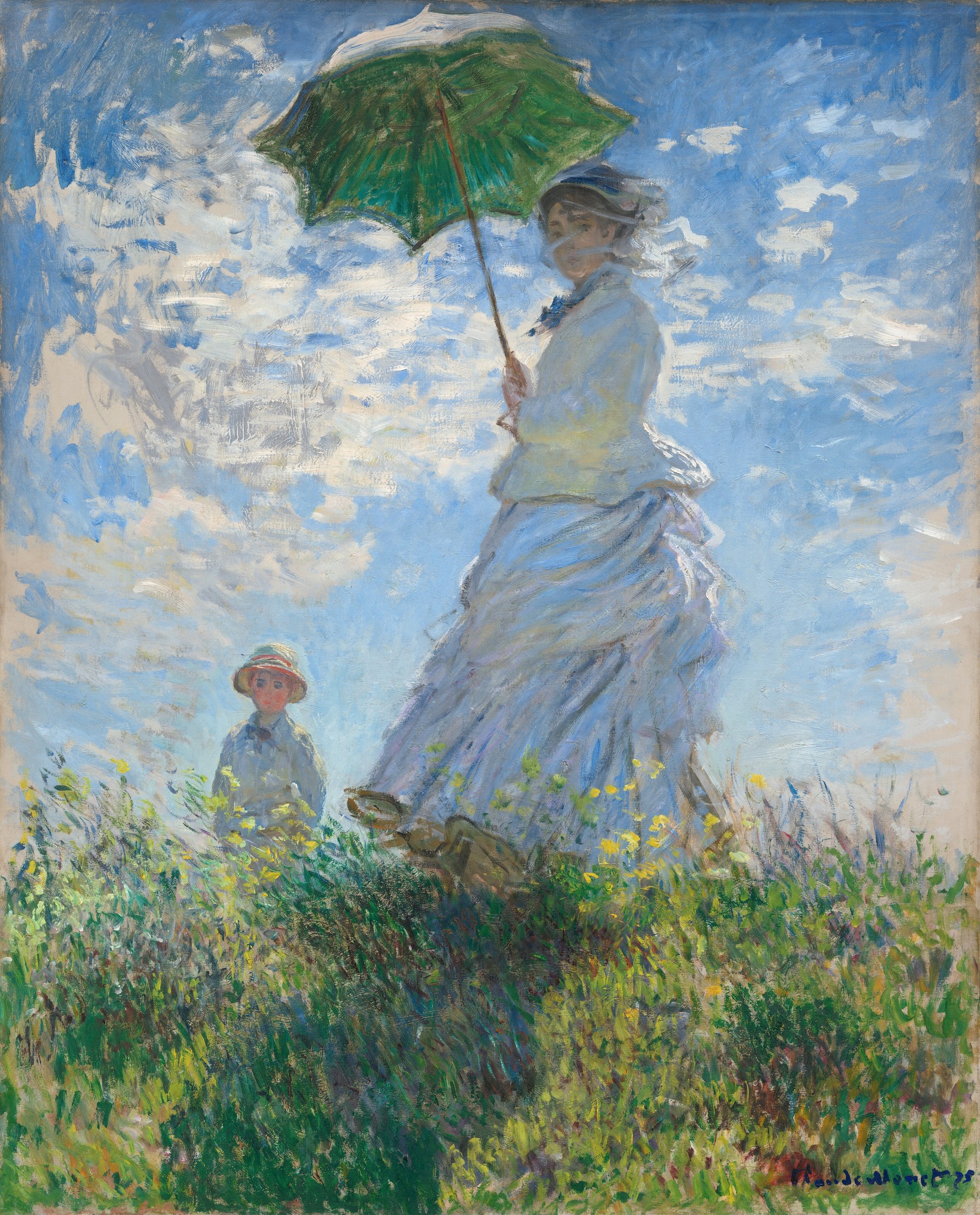
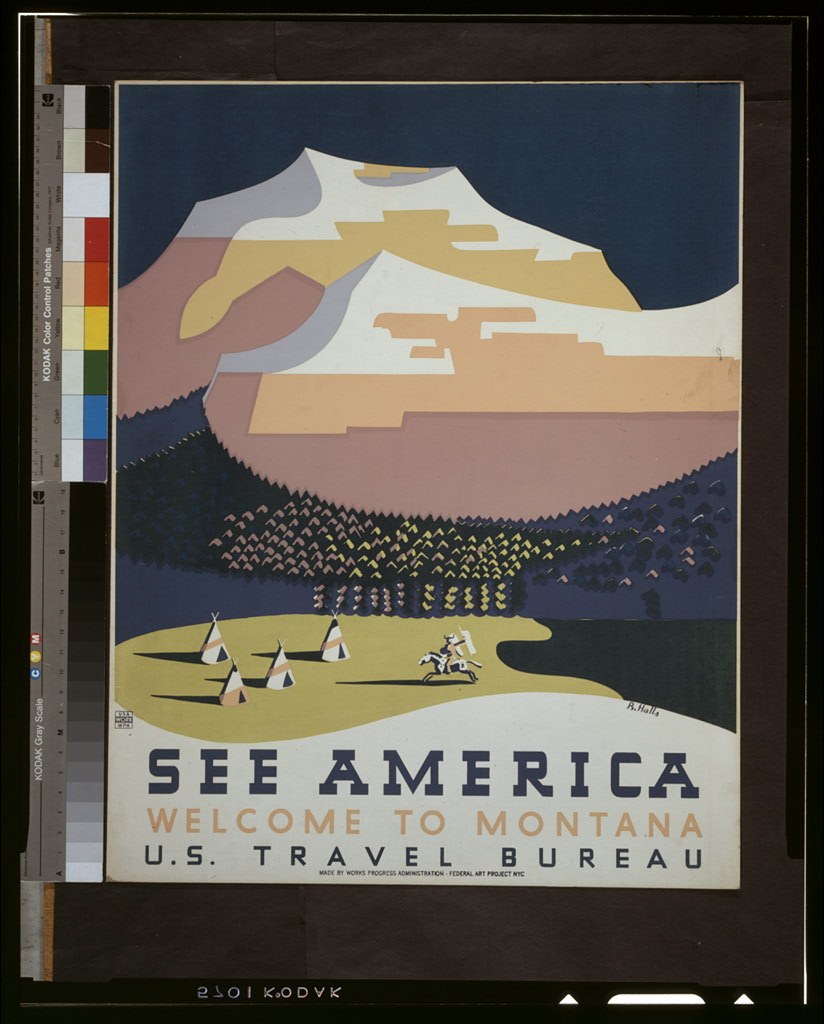
Look at each work before reading about it. Where does your eye go first? Where does it move next? What seems to be making that happen?
LOOK FOR
Scale · placement · contrast · space · direction · cropping
Understand
WHAT CHANGES WHERE WE LOOK?
SCALE
Larger elements can carry more visual weight.
PLACEMENT
Where something sits changes its relationship to the rest of the composition.
CONTRAST
Differences can draw attention.
SPACE
The space around elements is part of the composition.
DIRECTION
Lines, edges and repeated forms can move the eye.
CROPPING
Changing what enters the frame changes the composition.
Together, these choices create hierarchy: what we notice first, next and later.
WATCH
Make
MOVE THE WEIGHT
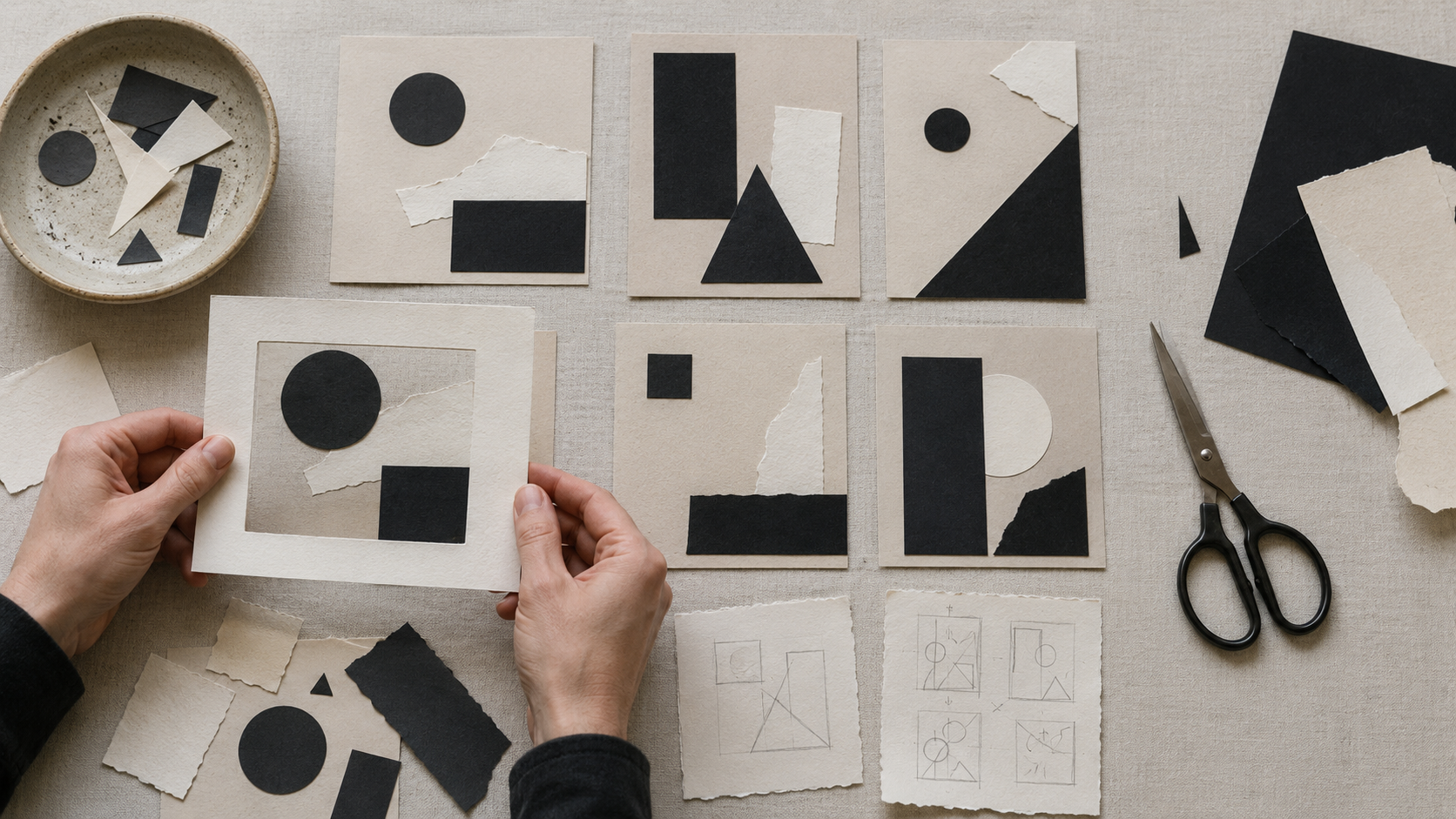
Cut or tear a small group of simple shapes from black paper.
Arrange them on a sheet of paper without gluing. Make three versions. In each version, change one thing.
You might:
- move something
- make something larger
- remove something
- overlap two forms
- rotate something
- push something beyond the edge
Photograph each version before changing it again. Look at the three versions beside one another before choosing one.
MATERIALS
- Black paper or card
- Ordinary paper
- Scissors
- Camera or phone for documentation
- Glue only if you choose to keep an arrangement
Look again
Put the three versions beside one another.
- Where does your eye go first in each?
- Which change affected the composition most?
- What became more important? What became quieter?
- If you changed one thing again, what would you try?
Keep or photograph the alternatives. They show the decisions that led to the version you chose.
In your practice
Composition affects what an audience notices and how a work is understood.
Compositional choices can shape emphasis, visual language and meaning.
Comparing alternatives can help you decide what to retain, change or refine.
Hierarchy helps organise information and guide an audience through a visual communication.
- What needs attention first?
- What can remain quieter?
- What sits beside what?
- What has been left outside the frame?
- How much space does the subject need?
Creative thinking
Where does your eye go first?
Which change affected the composition most?
Keep or photograph the alternatives that show how the composition changed.
Tools to help you notice, describe, question, develop and document your work.
Source note
Developed through studio practice, curriculum guidance and established art and design theory. All instructional material on this page is original.
Curriculum + reading
Bowden, M., & Tooke, A. (2022). Art making and exhibiting: VCE units 1–4. Cambridge University Press & Assessment.
Greenwood, D. (2023). Art creative practice: VCE units 1–4. Cambridge University Press & Assessment.
Victorian Curriculum and Assessment Authority. (2022). VCE Art Creative Practice study design 2023–2027. vcaa.vic.edu.au ↗
Victorian Curriculum and Assessment Authority. (2022). VCE Art Making and Exhibiting study design 2023–2027. vcaa.vic.edu.au ↗
Victorian Curriculum and Assessment Authority. (2023). VCE Visual Communication Design study design 2024–2028. vcaa.vic.edu.au ↗
Artists + artworks
Halls, R. (between 1936 and 1939). See America. Welcome to Montana [Silkscreen poster]. Library of Congress, Prints and Photographs Division, Washington, DC, United States. Digital ID 96503139. No known restrictions on publication. loc.gov ↗
Monet, C. (1875). Woman with a parasol — Madame Monet and her son [Oil on canvas]. National Gallery of Art, Washington, DC, United States. Collection of Mr. and Mrs. Paul Mellon (1983.1.29). Public domain. nga.gov ↗
Studio material
COMPOSITION STUDIES / MOVE THE WEIGHT.. Visual material: Studio work, 2026.